What Is Grease Trap Pumping?
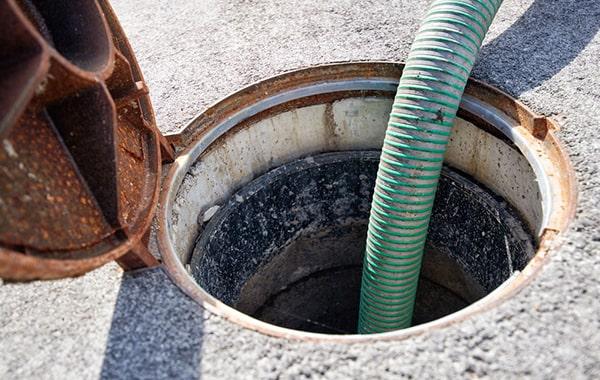
Grease trap pumping is the removal of a trap's contents with a vacuum truck. The truck's hose is placed in the trap and the grease, water and solids are drawn into a sealed tank for transport to a permitted disposal facility. Pumping is the first step of a proper cleaning and, for larger traps, the only practical way to empty them.
Call to schedule a pump-out(628) 221-4893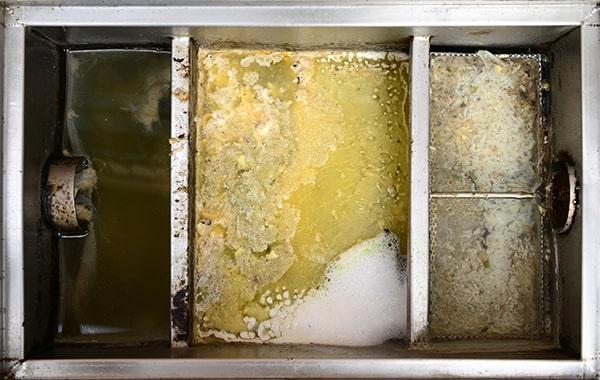
Pumping versus cleaning
Pumping empties the trap. Cleaning empties it and then scrapes the walls, baffles and lid, checks the fittings and refills the unit. The two go together: pumping without cleaning leaves grease on every surface, and cleaning is impossible without pumping first. When a service company talks about a pump-out, ask whether it includes the scrape and the refill.
A partial pump-out that removes only the floating grease cap is sometimes offered as a cheaper option. It is not a good one. The settled solids stay behind, continue to decompose and reduce the trap's capacity, and the trap reaches the 25 percent mark again much sooner.
Why traps have to be pumped
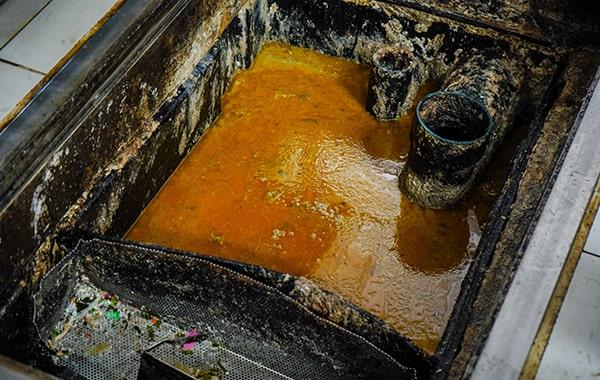
A grease trap has a fixed volume. Every dish washed, every pan rinsed and every floor mopped adds a little grease and a few solids that stay in the trap. Nothing leaves on its own. Left alone, the trap fills completely and passes everything straight to the sewer, where it hardens and blocks the line.
Pumping on a regular interval, set by how fast your kitchen fills the trap, keeps it below the 25 percent threshold that local sewer agencies enforce. For a busy kitchen with a small trap that may be every few weeks; for a light-use kitchen it may be quarterly.
- Removes grease, water and solids in one sealed operation
- Prevents the trap from passing grease to the sewer
- Waste is hauled to a permitted facility with a manifest
What happens to the waste
Grease trap waste is regulated. It must be hauled by a registered company and delivered to a facility permitted to receive it, where the water is treated and the grease is processed. The hauler issues a manifest documenting the volume and the destination, and that manifest number belongs on the record you keep for inspectors. Waste that is dumped in a storm drain, a dumpster or a sewer cleanout exposes both the hauler and the restaurant to penalties.
Where we provide this service
Pick your city for local pricing notes, sewer district requirements and neighborhood details.
- San Francisco, CA
- Daly City, CA
- Oakland, CA
- Berkeley, CA
- Richmond, CA
- San Mateo, CA
- South San Francisco, CA
- San Leandro, CA
- Alameda, CA
- Hayward, CA
- San Rafael, CA
- Millbrae, CA
- San Bruno, CA
- Redwood City, CA
- Castro Valley, CA
- Concord, CA
- Vallejo, CA
- Union City, CA
- San Carlos, CA
- Fremont, CA
- Walnut Creek, CA
- San Ramon, CA
- Pleasanton, CA
- Novato, CA
- Mountain View, CA
- Sunnyvale, CA
- Santa Clara, CA
- Santa Rosa, CA
- San Jose, CA
- Antioch, CA
- Fairfield, CA