Grease Trap Cleaning San Francisco, CA
Searching for grease trap cleaning San Francisco CA restaurants can actually rely on? You found the crew that is based inside the city. We clean and pump grease traps for San Francisco kitchens every day of the week, from the dim sum houses on Clement Street to the hotel kitchens around Union Square and the food halls in Mission Bay. Every visit ends with a fully scraped trap, a manifest for the waste we hauled, and a service record you can hand to an SFPUC inspector.
Our trucks are based inside the city, so we can usually reach a backed-up kitchen in the Mission, SoMa, the Richmond or the Sunset within a couple of hours. Call (628) 221-4893 and talk to a dispatcher, not a call center.
Grease trap cleaning in San Francisco: call now(628) 221-4893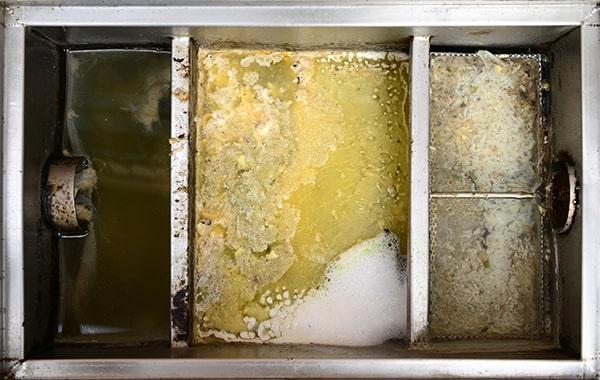
How grease trap cleaning works in a San Francisco kitchen
Most San Francisco restaurants run a small under-sink or floor-mounted trap of 20 to 100 gallons, while newer builds and larger operations along the Embarcadero and in Mission Bay have in-ground interceptors of 750 to 2,000 gallons. The process is the same in principle: we remove all of the liquid, the floating grease cap and the settled solids, then scrape the walls, baffles and lid seal so the trap starts at true zero capacity.
What sets a full cleaning apart from a quick skim is what happens after the pump-out. We inspect the inlet tee, outlet tee and flow-control fitting, note any cracks or missing baffles, refill the unit with clean water so it works immediately, and photograph the empty trap for your file. A skimmed trap looks fine on the surface but leaves grease clinging to every wall, so it hits capacity again within weeks.
Because San Francisco kitchens are often tucked into basements, alleys and shared buildings, our crews carry long-run hose to reach traps from a truck parked out front or in the rear loading zone. We work around your service hours and are happy to come before opening or after close.
- Full evacuation of liquids, grease and solids, never a partial skim
- Walls, baffles and lid gaskets scraped and rinsed
- Refill with clean water so the trap functions right away
- Photo record and manifest supplied for every visit
SFPUC FOG rules that affect your grease trap
The San Francisco Public Utilities Commission runs a fats, oils and grease (FOG) control program for food service establishments. In practice it means your grease trap or interceptor must be cleaned often enough that grease and solids never take up more than a quarter of the working depth, and you must keep maintenance records on site for inspection. Inspectors do check, and a clogged trap that contributes to a sanitary sewer overflow can bring cleanup costs on top of a citation.
We keep our own copy of every service record we issue, so if a document goes missing during a change of management you can call us and we will send it over. For kitchens that have been flagged after an inspection, we can put together a written maintenance schedule that shows the frequency you are committing to, which is usually enough to close the file.
San Francisco also runs the SFGreasecycle program for used cooking oil. Cooking oil from the fryer belongs in a separate container, not the trap; keeping the two streams apart makes your trap last longer between cleanings and keeps you on the right side of the program.
Why San Francisco's old sewer lines make trap maintenance more urgent
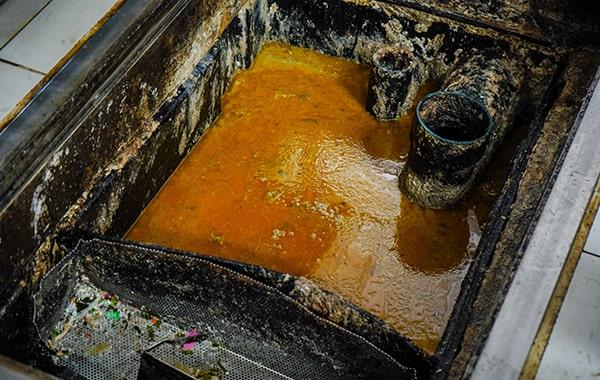
San Francisco uses a combined sewer system that carries both wastewater and stormwater, and many of the laterals under the Mission, North Beach, Chinatown and the Tenderloin are close to a century old. Congealed grease narrows those old clay and brick lines quickly, and during a winter storm a partially blocked lateral is what sends sewage up through the floor drain in a kitchen or into the building next door.
That is why the city takes FOG enforcement seriously and why kitchens in older buildings should not stretch their cleaning interval. Restaurants in the Marina and along Lombard Street, which sit on filled land with shallow, flat laterals, tend to see grease-related backups even sooner because the pipes have very little fall.
Regular pumping is also cheaper than the alternative. One emergency drain cleaning and one lost dinner service costs more than a year of scheduled trap maintenance for most small restaurants.
Grease Trap Pumping in San Francisco
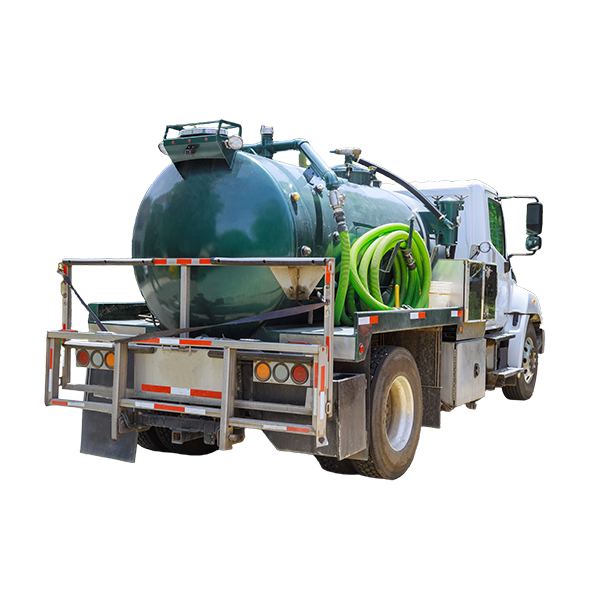
Our vacuum trucks carry enough tank capacity to pump the largest interceptors on the Embarcadero in a single trip. We pump the full contents rather than just the top layer, then haul the waste to a permitted receiving facility and give you the manifest number on the spot.
Grease Interceptor Cleaning in San Francisco
In-ground interceptors under sidewalks and parking areas in SoMa, Mission Bay and the Financial District need the baffle walls, sample box and outlet tee cleaned, not just emptied. We open every compartment, scrape, rinse and check the structure so the interceptor keeps separating grease the way it was designed to.
Grease Interceptor Pumping in San Francisco
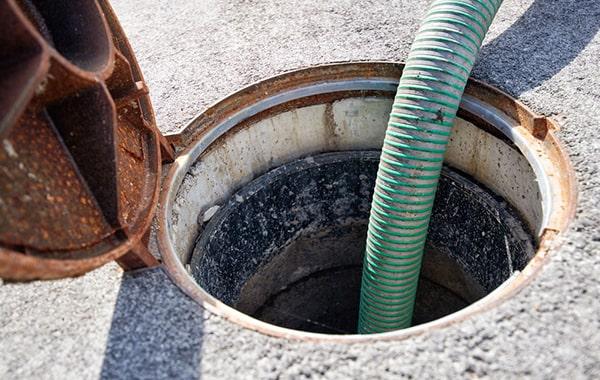
Large hotel, hospital and campus kitchens often run interceptors of 1,500 gallons or more. We pump those on a fixed rotation, coordinate with your facilities manager for manhole access and street parking, and keep the visit short enough that it never interrupts a meal period.
San Francisco neighborhoods we serve
We cover every district in the city: the Mission, Castro, SoMa, Financial District, Chinatown, North Beach, Nob Hill, Tenderloin, Hayes Valley, the Marina, Pacific Heights, the Richmond, the Sunset, Bernal Heights, Bayview, Dogpatch, Potrero Hill, Excelsior and the Outer Mission, plus Treasure Island and the food service operations at SFO's off-airport catering facilities.
Call for same-week service in San Francisco(628) 221-4893Grease trap cleaning across the Bay Area
The same crews, trucks and paperwork are available in every city below. Open your city for local details, sewer district requirements and neighborhood notes, or see the full service areas list.
- Daly City, CA
- Oakland, CA
- Berkeley, CA
- Richmond, CA
- San Mateo, CA
- South San Francisco, CA
- San Leandro, CA
- Alameda, CA
- Hayward, CA
- San Rafael, CA
- Millbrae, CA
- San Bruno, CA
- Redwood City, CA
- Castro Valley, CA
- Concord, CA
- Vallejo, CA
- Union City, CA
- San Carlos, CA
- Fremont, CA
- Walnut Creek, CA
- San Ramon, CA
- Pleasanton, CA
- Novato, CA
- Mountain View, CA
- Sunnyvale, CA
- Santa Clara, CA
- Santa Rosa, CA
- San Jose, CA
- Antioch, CA
- Fairfield, CA
Questions San Francisco restaurant owners ask us
How often should a grease trap be cleaned in San Francisco?
Most San Francisco restaurants need a cleaning every 30 to 90 days. The SFPUC expects the trap to be serviced before grease and solids fill 25 percent of its depth, so a busy fried-food kitchen with a small under-sink trap may need monthly service while a low-volume café can often stretch to quarterly.
Do you provide the maintenance records SFPUC inspectors ask for?
Yes. After every visit you receive a service record with the date, trap size, volume removed, condition notes and the waste manifest number. We also keep a copy in our files, so we can resend it if yours is lost.
Can you reach a grease trap in a basement kitchen in Chinatown or North Beach?
Yes. Our trucks carry several hundred feet of vacuum hose, so we can pump traps in basements, rear kitchens and shared alley access points while the truck is parked on the street out front.
How much does grease trap cleaning cost in San Francisco?
Pricing depends on the size of the trap and how full it is. A small under-sink unit is far less than a 1,000-gallon in-ground interceptor. Call (628) 221-4893 with your trap size and we will quote a firm price over the phone.
What happens if my grease trap overflows during dinner service?
Call us right away. We dispatch emergency pump-outs across San Francisco around the clock. In most parts of the city we can be on site within a couple of hours, remove the blockage and get your drains flowing so you can finish service.
Do you clean the trap or just pump it out?
We do both. Pumping removes the contents; cleaning scrapes the grease off the walls, baffles and lid, inspects the fittings and refills the trap with water. A pump-out without cleaning leaves grease behind and shortens the time until the next backup.
Where does the grease go after you pump it?
All grease trap waste is hauled to a permitted receiving facility in the Bay Area where it is processed. Nothing is discharged into a storm drain or sewer, and you receive a manifest showing where it was delivered.
Can you service my restaurant before we open in the morning?
Yes. Early-morning and late-night appointments are common for San Francisco kitchens and there is no extra charge for off-hours scheduled service.
Is used fryer oil the same as grease trap waste?
No. Fryer oil should go into a dedicated used cooking oil container and be collected separately, in line with SFGreasecycle. Pouring it into a sink sends it into the trap and fills the unit much faster.
My landlord says the interceptor is shared with other tenants. Who is responsible?
Responsibility is set by the lease, but the FOG permit is usually tied to each food service establishment. We can service a shared interceptor and split the invoice between tenants if the building agrees to it.
Do you work with hotels and large institutional kitchens in San Francisco?
Yes. We hold recurring contracts with hotels, hospitals and university dining halls. Those accounts get a fixed rotation, one point of contact for facilities, and consolidated monthly invoicing.
Do I need to be there when you clean the trap?
Someone needs to give us access to the kitchen or the exterior manhole, but you do not need to stay. Most managers hand off a key or have a night crew let us in, and we leave the service record on site.